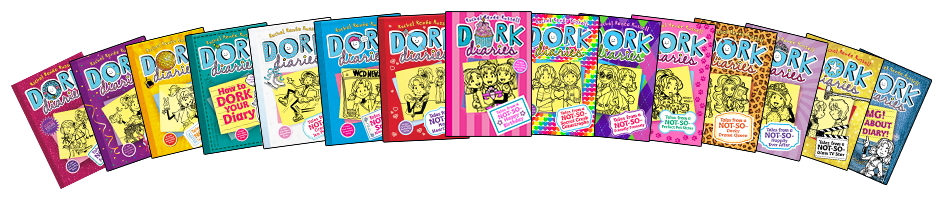
The #1 New York Times bestselling Dork Diaries series follows Nikki Maxwell as she chronicles her life through text and art—her move to a new school, her battles with queen bee MacKenzie, and her zany adventures with her BFFs Chloe and Zoey by her side!
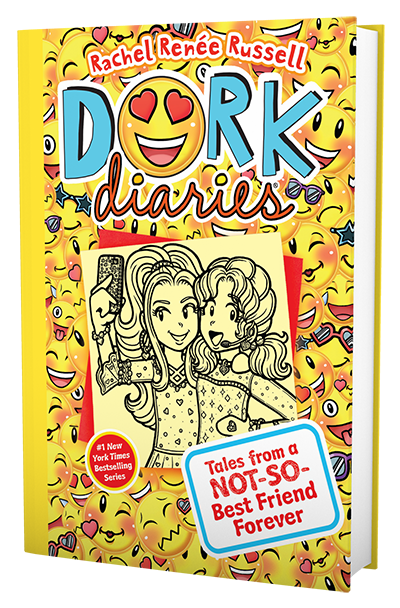
The bestselling series continues... Dork Diaries 14: Tales from a Not-So-Best Friend Forever is on sale October 22!
Pre-order your copy today
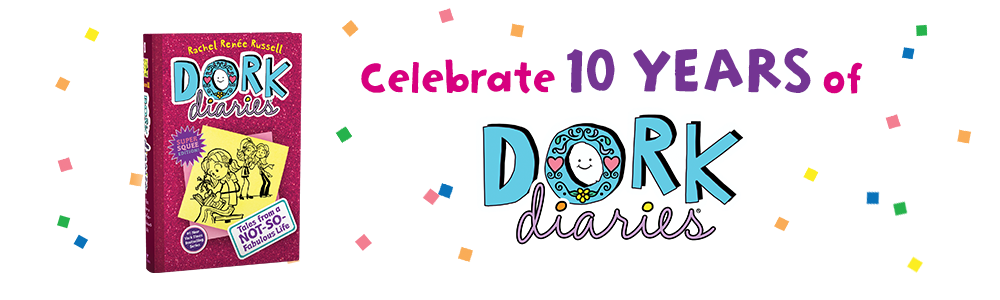
Celebrate 10 years of Nikki’s a-DORK-able adventures!
Blackmail 2024 Nazar S01 Epi 1-4 Www.moviespapa... -
This early phase is crucial because it establishes moral tone. Does the series present blackmail as a brute tool wielded by sociopaths, or as the logical product of systemic failures—corrupt institutions, economic precarity, gendered power imbalances? The most riveting portrayals refuse simple villains-vs-heroes schemas; instead, they show how everyone inhabits compromised positions. By Episode 4 the viewer should see that blackmail is both intimate (private messages, hidden photographs) and structural (career-threatening leaks, legal vulnerability), forcing characters into ethically ambiguous compromises that reveal character more than condemn it.
This early phase is crucial because it establishes moral tone. Does the series present blackmail as a brute tool wielded by sociopaths, or as the logical product of systemic failures—corrupt institutions, economic precarity, gendered power imbalances? The most riveting portrayals refuse simple villains-vs-heroes schemas; instead, they show how everyone inhabits compromised positions. By Episode 4 the viewer should see that blackmail is both intimate (private messages, hidden photographs) and structural (career-threatening leaks, legal vulnerability), forcing characters into ethically ambiguous compromises that reveal character more than condemn it.